
Pain and palliative care is a specialized branch of medicine focused on enhancing the quality of life for individuals living with serious or life-limiting illnesses. Rather than concentrating solely on disease cure, palliative care addresses the whole person — relieving physical discomfort while also supporting emotional, psychological, social, and spiritual well-being. Importantly, this approach extends care to families, helping them navigate complex medical and emotional challenges with clarity and confidence.
One of the most meaningful aspects of palliative care is its emphasis on dignity, comfort, and patient choice. Through advanced care planning, patients are encouraged to express their values, treatment preferences, and goals of care. This proactive approach reduces uncertainty, eases anxiety, and ensures that care decisions align with what matters most to the patient.
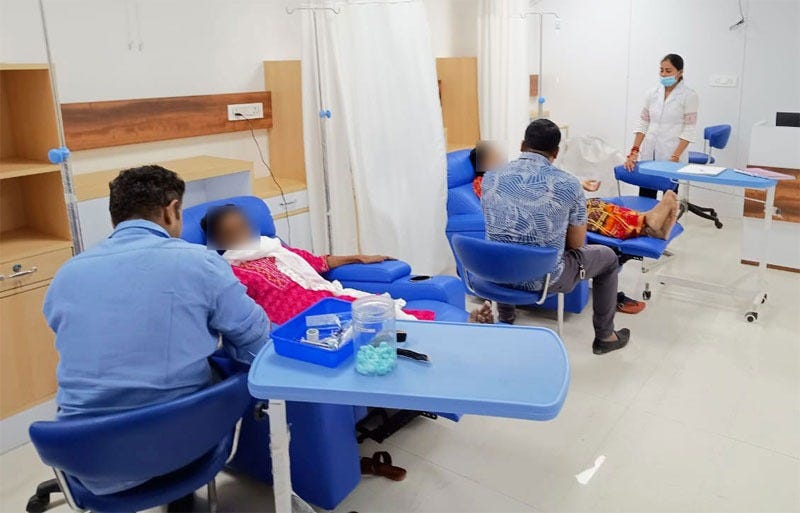
Palliative Care in Delhi: A Patient-Focused Approach-
Palliative Care in Delhi has evolved into a comprehensive, multidisciplinary service that supports patients at all stages of serious illness, whether alongside curative treatment or as primary supportive care.
Key Components of Pain & Palliative Care:
Holistic, Patient-Centered Care:
Palliative care teams in Delhi focus on individualized treatment plans. Physicians, nurses, pain specialists, counselors, and therapists work together to address the full spectrum of patient needs, ensuring comfort and continuity of care.
Effective Symptom Management:
A core goal of palliative care is the relief of distressing symptoms such as pain, breathlessness, nausea, fatigue, and sleep disturbances. Evidence-based pain management strategies are tailored to each patient’s condition, improving daily functioning and comfort.
Psychological and Emotional Support:
Serious illness often brings emotional distress for patients and families. Palliative care includes counseling services to help manage anxiety, depression, fear, and grief, promoting emotional resilience and coping.
Spiritual and Cultural Sensitivity:
Recognizing the cultural and spiritual diversity of Delhi, palliative care incorporates spiritual support that respects individual beliefs. Spiritual counselors or chaplains work alongside medical teams to provide comfort and meaning during challenging times.
Education and Communication:
Palliative care teams actively educate patients and caregivers about illness progression, symptom control, and available care options. Open communication empowers families to make informed decisions with confidence.
Collaborative Medical Care:
Palliative care professionals work closely with oncologists and other specialists to ensure integrated treatment plans. This collaboration supports seamless care delivery and improves overall outcomes.
LYFE Medicare Cancer Center: Excellence in Palliative Care-
LYFE Medicare Cancer Center is widely recognized for delivering compassionate and comprehensive palliative services. As part of the Best Cancer Hospital in Delhi, the center provides personalized pain and palliative care designed to enhance comfort, dignity, and quality of life.
The center’s multidisciplinary team combines clinical expertise with empathy, offering advanced pain management, emotional counseling, and spiritual support in a calm and respectful environment. What truly distinguishes LYFE Medicare is its commitment to patient and family involvement — ensuring transparency, shared decision-making, and continuous support.
In addition, the center prioritizes education and research, consistently updating practices to reflect the latest advancements in palliative medicine. This dedication ensures patients receive the highest standard of care aligned with evolving medical knowledge.
Conclusion:
Pain and palliative care is an essential component of modern healthcare, offering relief, reassurance, and holistic support during some of life’s most challenging moments. With a focus on comfort, dignity, and compassionate care, LYFE Medicare Cancer Center continues to set benchmarks in Palliative Care in Delhi, providing hope and healing through thoughtful, patient-centered care.
No responses yet